Malice in Wonderland:
Economic Racism is the Contemporary Battle for Native Americans
By Frances Snyder

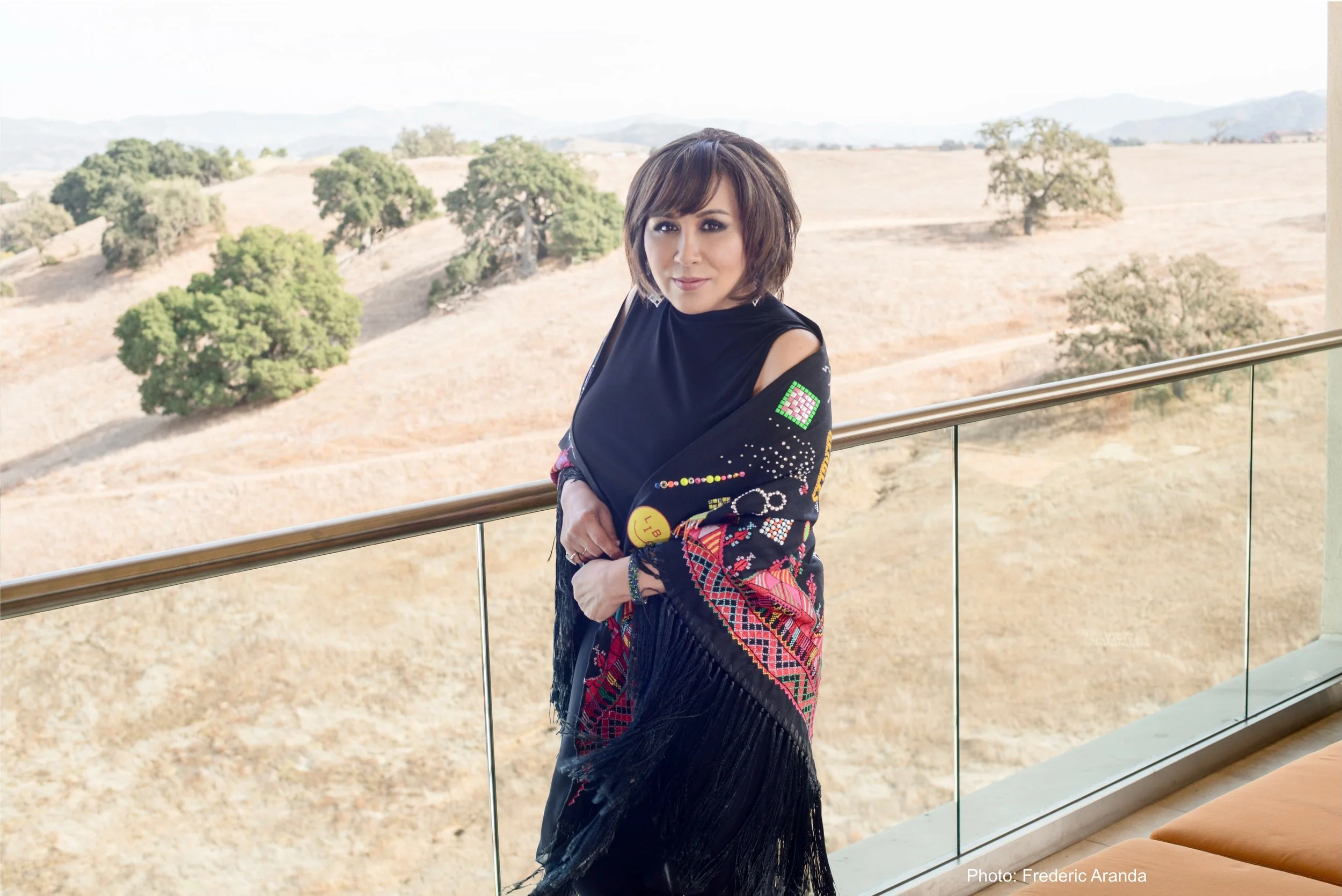
Malice in Wonderland: Economic Racism is the Contemporary Battle for Native Americans details Frances Snyder’s experiences with economic racism from tribal opponents who were angry that a California tribe was unexpectedly successful.

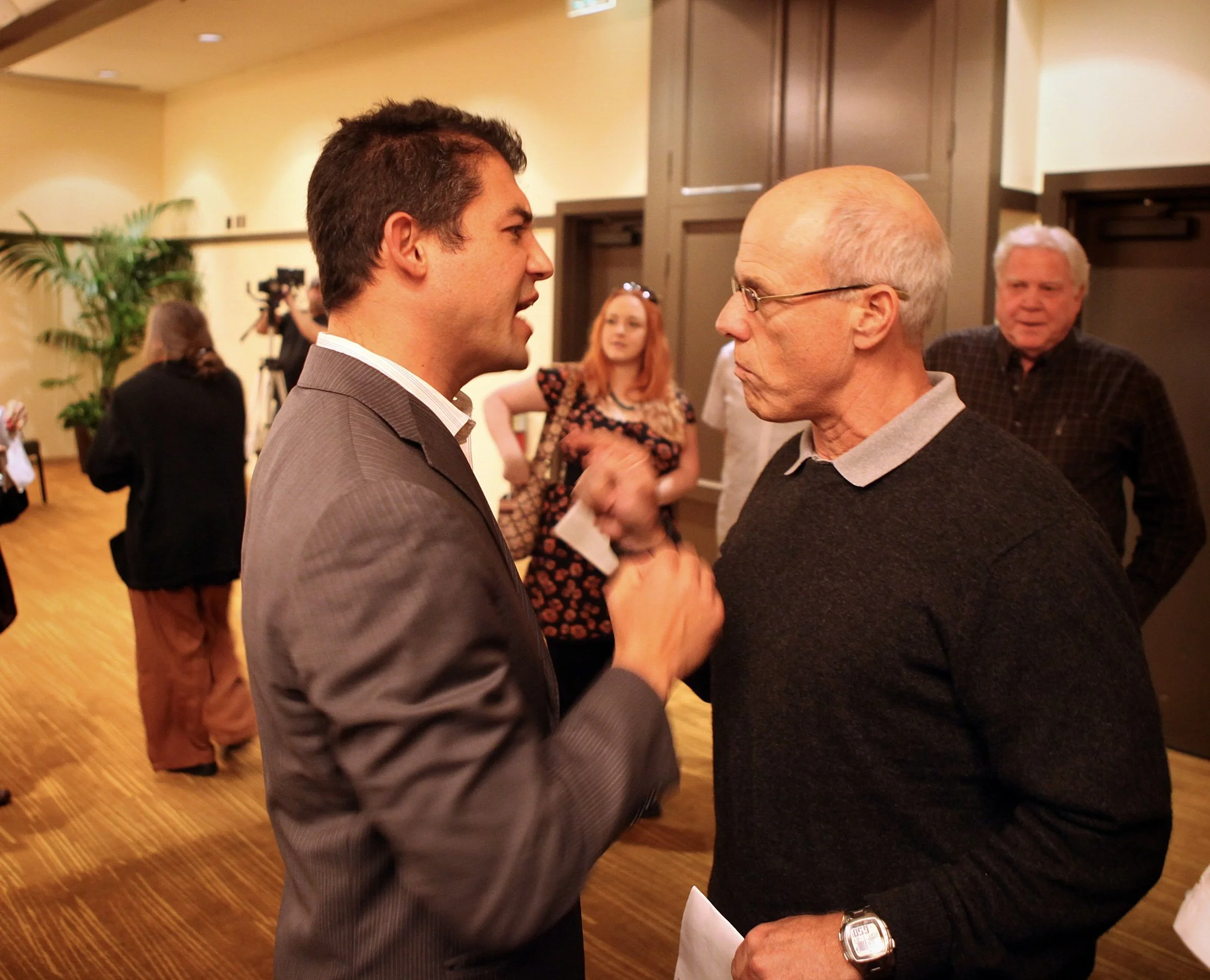
“After our Chairman abruptly ended the meeting, tribal opponents rushed up to various speakers and peppered them with hostile questions. A tribal opponent confronted Assemblyman Williams, pointing a finger in Assemblyman Williams’ chest and acting like an old white man off his meds. A short stout lady with a grey/blonde bob began yelling at Chairman Armenta. I told her to calm down and she screamed at me, “I am calm!” I looked around for our security, who were nowhere to be found. It was a crazy scene.”
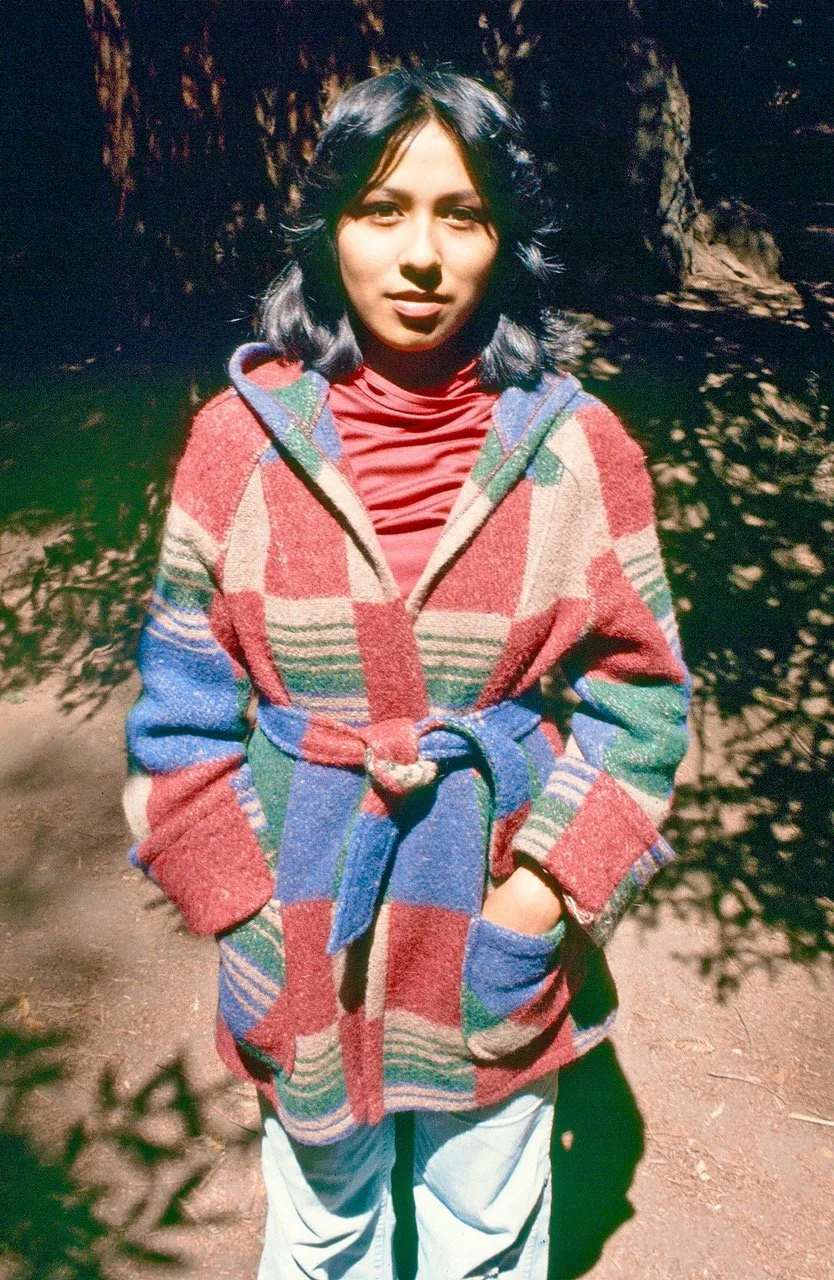
“In the small and small-minded community where I grew up, I often had to defend myself and my ethnicities, but the most difficult to defend was definitely the Native American part. I was told I didn’t look Indian. That I didn’t seem Indian. That I didn’t behave like the Indians they saw in movies. I often heard silly comments like, ‘Where are your braids?’ or ‘“I don’t see any feathers in your hair.’”
“After all the ludicrous battles we fought over the years with the local tribal opponents and all the protests and hatred from them, I was still surprised by their wrath over the commemorative naming of Highway 154 in the fall of 2007. Because it was, after all, just an existing highway that was simply being renamed.
But when we distributed a media release on September 18, 2007 announcing that the California Legislature had passed Assembly Concurrent Resolution (ACR) No. 75, which designated Highway 154 the “Chumash Highway,” you would have thought that we were announcing the end of life in Santa Ynez.”

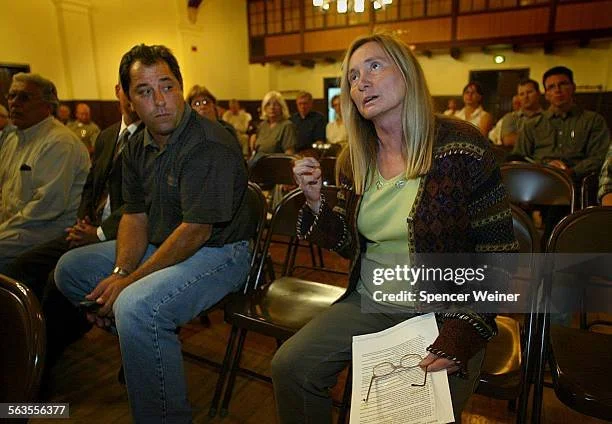
“She began talking in questions, a method of communicating that was often associated with young women, although she was far from young. “I have no problem with the tribe? I think the Native American culture is beautiful? Native Americans are our brothers? I love Native Americans and what they represent?” Then her voice got strong, and her statement was not a question. “But they will no longer be our brothers if you give them a liquor license.”
"I leaned forward to look at her to see if I could tell from her face if she was kidding. She wasn’t. She was serious. She looked like she was ready to cry, and I was ready to burst out laughing. We were her brothers? And how does a liquor license eliminate brotherhood? It was so hard to keep my emotions in tow when she spoke. I had to dig my nails into my palms and keep my face still so I wouldn’t laugh.”
“I could just see the craggy lines around Supervisor Marshall’s mouth deepen as her lips pursed together into a thin hard stripe when she expressed her true feelings about our tribe. What in the world was she thinking? That we were illiterate and would never read the damaging words she hurled our way?
How dare this bigoted woman, a politician who is supposed to work for the people – including our tribal members who are part of her district in Santa Barbara County – say that we are just a bunch of uneducated lazy people sitting around watching the Lakers games? How could she say these hurtful things?”
“Some white people in the community were already mad just by our very existence but when we defended ourselves against their many verbal, physical, and legal outbursts, they went ballistic. After publishing an op ed in a local newspaper defending ourselves against yet another frivolous lawsuit from a tribal opponent, a columnist from a rival newspaper claimed that our tribe’s brand of PR was “unproductive hostility of vile rhetoric.” In response, a tribal opponent said, “Why can’t the Indians be more like the Mexicans and just be quiet?””
“At a dinner in San Francisco a few years ago, I was surprised when a well-educated woman who works at one of the prestigious museums in the city questioned me like she was a district attorney and I was on the witness stand. Does your tribe have health care for its tribal members? Yes. Ok, but does the tribe have scholarships for its tribal members and their families? Yes. Ok, but what about housing? Does the tribe provide housing for its members? Yes, housing exists on our reservation. Ok, but what about jobs? Does the tribe provide jobs? Yes, many tribal descendants work for our casino and its enterprises. Ok, but what about philanthropy? Does the tribe donate to the community? Yes, we have a foundation and have contributed millions to non-profit organizations in the community. Ok, but what about…
The list went on and she never seemed satisfied with the answers even though they were always in the affirmative. I guess she wanted to “catch” me and say, “See? The tribe doesn’t spend its money effectively” even though the tribe’s money goes into tribal government programs and investments for the future. And besides, what business is it of hers how our tribe spends its money?”
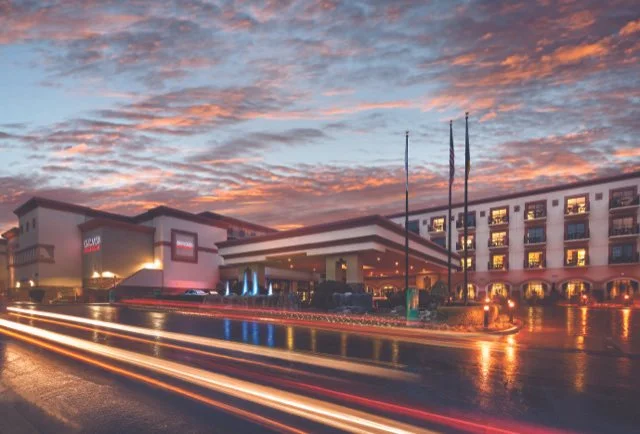
“It was clear they liked us better when we were their gardeners, housekeepers, and farm hands. When our tribe became successful with our Chumash Casino Resort, our wealth somehow offended them. Our wealth gave us power that they didn’t feel we deserved.
The fact is, nothing has ever been easy for our tribe. And the community where our reservation is located is very polarized. The small but vocal groups of tribal opponents have battled against us from the time our casino was established in 1994 and protested everything we did. The groups had deep pockets which allowed them to wage wars against our tribe by organizing town hall meetings, hiring high-priced/high-profile attorneys and, at one point, even purchasing their own local newspaper for the specific purpose of blasting the tribe.”
“Over the course of more than two decades, they spent millions of dollars on lawyers, lobbyists, and public relations firms to fight us on nearly every project we undertook. And what did they get in return? Absolutely nothing. They didn’t win one single battle.
I don’t rejoice in their losses, nor do I feel bad for them. They saw a group of brown skinned people having some success and they didn’t like it so they tried to do something about it and failed. Again and again and again. As much as they tried to deny it had anything to do with racism, it did. Even worse, it was economic racism.”